
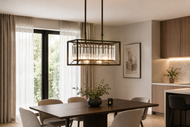
Today, ceiling lights are among the most influential design elements in a room, shaping atmosphere, highlighting architectural features, and helping homeowners express their personal style. For retailers, this presents a valuable opportunity. As home improvement projects continue across the UK, consumers are paying closer attention to lighting choices and expecting greater variety, functionality, and design appeal.
For businesses sourcing from wholesale suppliers, understanding which ceiling light trends are likely to drive demand in 2026 can help create a more relevant and profitable product range. As a leading B2B supplier of furniture, decor, lighting, and home accessories, Premier Housewares offers retailers access to lighting collections that align with changing consumer preferences while supporting a coordinated home furnishing offering.
Statement Lighting Continues to Lead the Market
One of the strongest home lighting trends heading into 2026 is the continued demand for statement lighting. Homeowners increasingly view ceiling lights as decorative focal points rather than background features.
Large-scale designs, sculptural forms, and eye-catching finishes are becoming popular choices for living room lighting and dining room lighting. Retailers should consider stocking ceiling lights that create visual impact while remaining versatile enough to complement a range of interior styles. Statement pieces often encourage higher-value purchases and can help retailers differentiate their lighting collections from competitors.
Pendant Ceiling Lights Remain a Reliable Bestseller
Pendant ceiling lights continue to be one of the most sought-after lighting categories in the UK market. Their versatility allows them to work across kitchens, dining spaces, hallways, and open-plan living areas.
Consumers appreciate pendant designs because they combine practical illumination with decorative appeal. Single pendants remain popular for compact spaces, while multi-light arrangements are increasingly used above dining tables and kitchen islands. Retailers who maintain a balanced selection of pendant ceiling lights in various sizes, finishes, and materials are likely to meet a wide range of customer needs throughout 2026.
Flush Ceiling Lights for Modern Living
While statement fixtures attract attention, flush ceiling lights continue to play an essential role in contemporary homes. Many UK properties have lower ceilings where large hanging fixtures are not practical.
Flush designs offer a clean, space-efficient solution without compromising on style. Modern consumers are seeking sleek silhouettes, subtle detailing, and finishes that integrate seamlessly into contemporary interiors. For retailers, flush ceiling lights provide an opportunity to serve customers looking for functional lighting solutions in bedrooms, hallways, apartments, and smaller living spaces.
Natural Materials Add Warmth and Character
The preference for warm, inviting interiors continues to influence lighting design. As a result, ceiling lights featuring natural materials are expected to remain highly relevant throughout 2026.
Materials such as wood, rattan and textured finishes help soften modern interiors and create a more relaxed atmosphere. These designs appeal to customers who want lighting that feels approachable and complements other furniture and decor elements within the home. Retailers can benefit from offering lighting collections that coordinate with broader home furnishing ranges, encouraging additional purchases across multiple product categories.
Layered Lighting Influences Ceiling Light Choices
Consumers are becoming more knowledgeable about interior design principles, including the importance of layered lighting. Rather than relying on a single light source, homeowners are combining ceiling lights with table lamps, floor lamps, and wall lighting to create flexibility within a room.
This trend is influencing the types of ceiling lights customers choose. Designs that provide balanced illumination while contributing to the room's overall aesthetic are increasingly desirable. Retailers should consider products that work well as part of a complete lighting scheme rather than focusing solely on standalone fixtures.
Softer Finishes Replace High-Shine Surfaces
In recent years, interior design has shifted towards more understated finishes, and lighting is following the same direction. Matte metals, brushed finishes, and subtle textures are becoming increasingly popular compared with highly reflective surfaces.
These softer finishes allow ceiling lights to integrate more naturally into contemporary interiors while maintaining a premium appearance. They also offer greater compatibility with a wider range of furniture and decor styles, making them a practical choice for retailers looking to appeal to broad customer demographics.
Conclusion
The ceiling lighting market in 2026 will be shaped by a combination of style, practicality and versatility. Statement lighting, pendant ceiling lights, flush ceiling lights, natural materials and refined finishes are all expected to remain influential across UK homes. By partnering with an established lighting supplier such as Premier Housewares, retailers can build comprehensive lighting ranges that respond to evolving customer expectations while supporting growth across the wider home furnishings category.